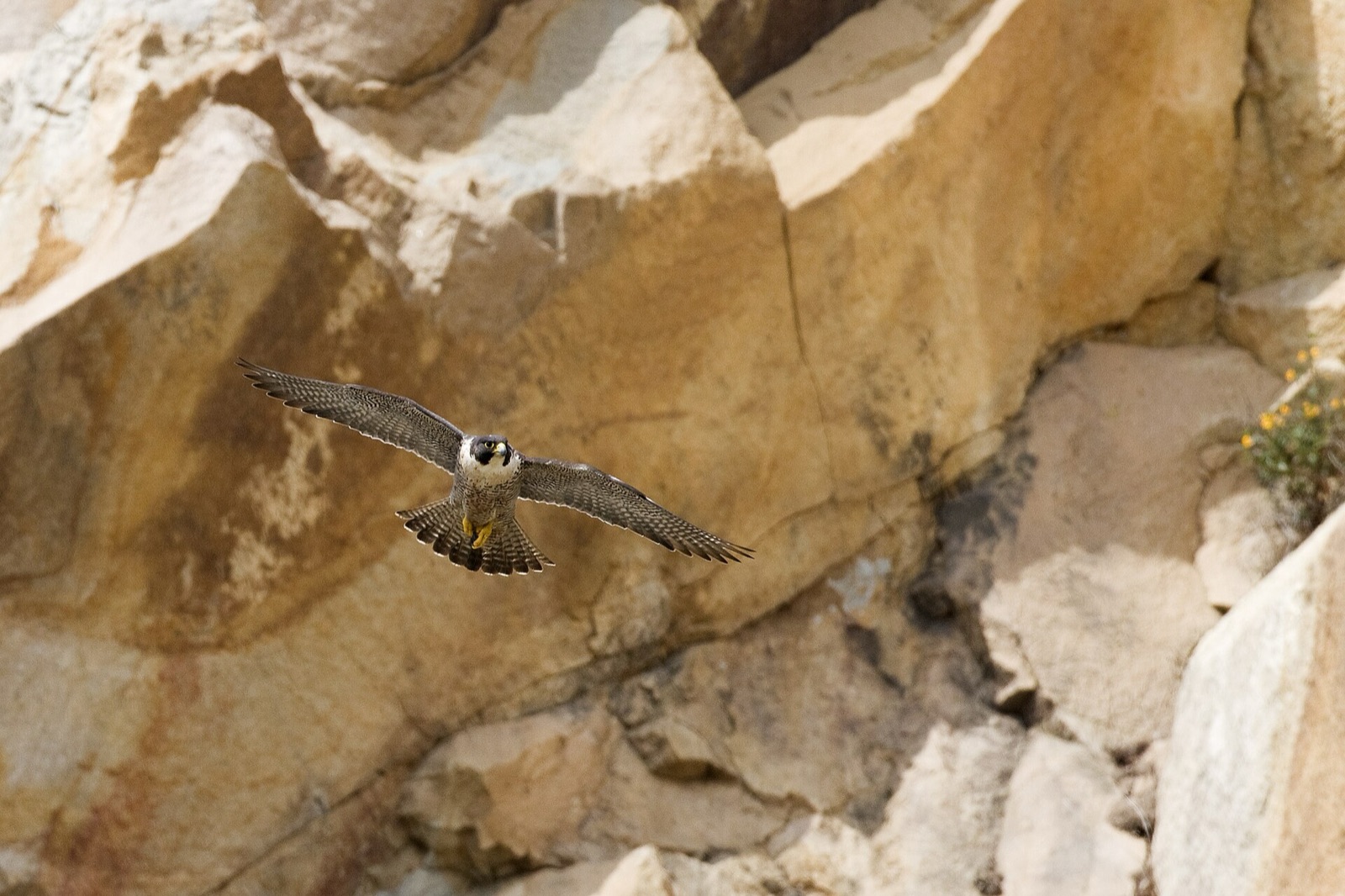
From zero breeding pairs east of the Mississippi in 1964 to tens of thousands across the continent today — the peregrine falcon's recovery is the conservation story that falconers and biologists wrote together. The science now shows the population is normalized. The policy is catching up.
When DDT collapsed the American peregrine falcon (Falco peregrinus anatum) across the continental United States in the mid-20th century, North American falconers and a small group of biologists — led by Dr. Tom Cade at Cornell's Lab of Ornithology — built the world's most successful raptor restoration effort from the ground up.1 Today, American peregrines breed on skyscrapers in most major U.S. cities, occupy as many historic eyries as pre-DDT in many recovery regions,3 and are monitored by the same scientists who helped bring them back. A new Environmental Assessment from the U.S. Fish and Wildlife Service proposes to finally normalize the regulations around falconry take to match the robust populations modern science has documented.4
About the subspecies. This recovery story is about the American peregrine. The other two North American subspecies took different paths: Falco peregrinus tundrius, the Arctic peregrine of the high-latitude tundra, was listed as threatened (not endangered), declined less severely, and was delisted in 1994. Falco peregrinus pealei, Peale's peregrine of the Pacific coast and Aleutians, was never listed at all — its seabird diet and remote range left it largely untouched by DDT, and it never required captive-breeding intervention.
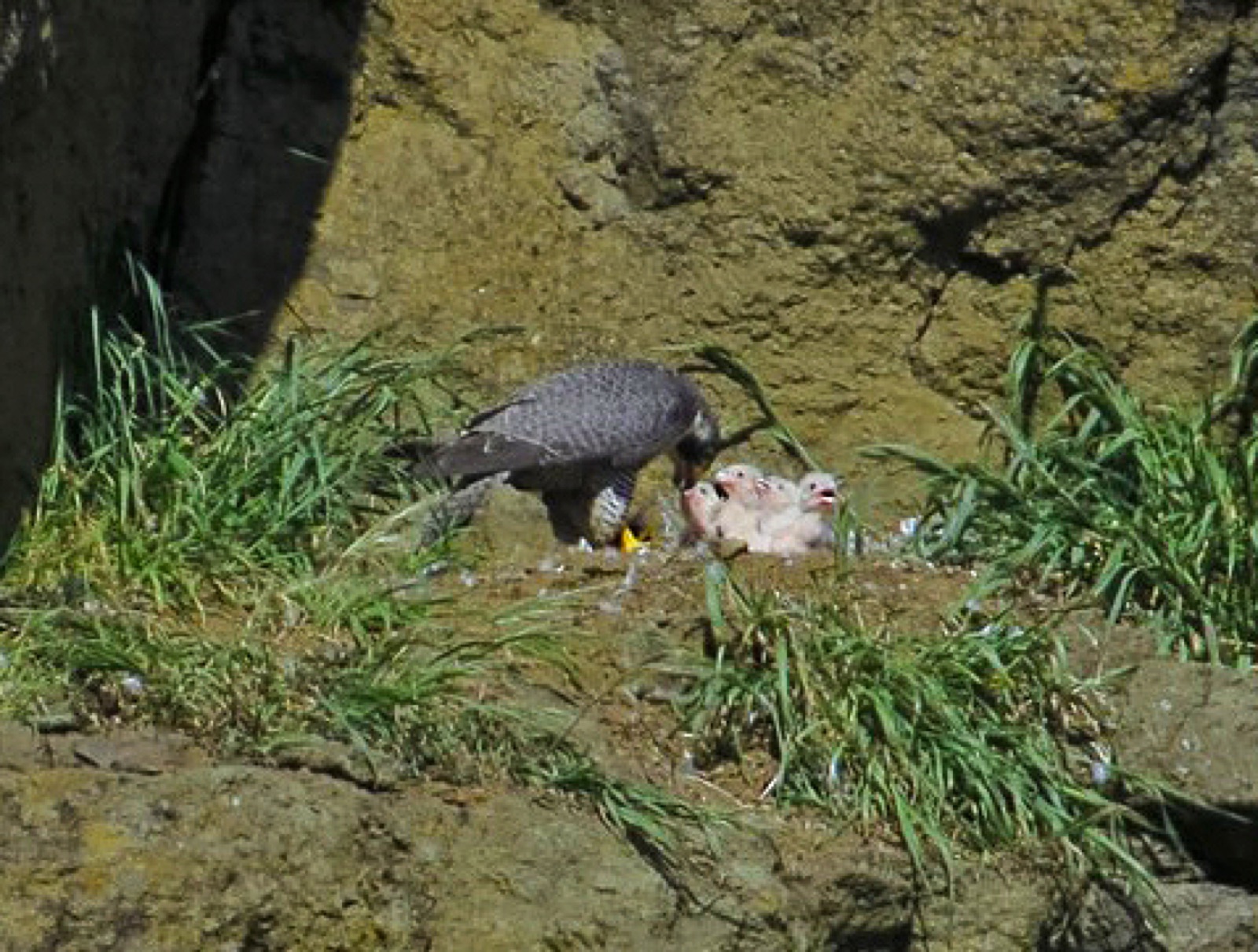
Over seventy years, the peregrine went from the poster species of the pesticide crisis to the most successful raptor recovery in North American history. Falconers were present at every stage.
From zero breeding pairs east of the Mississippi in 1964 — to most major U.S. cities, continent-wide, within a single human lifetime.
Falconers were the group in North America with the combined husbandry, training, and field experience to rebuild a raptor species from captive stock. They brought centuries of accumulated practice to a 20th-century emergency.
When falconers and biologists had nothing to work with, falconers turned over their personal peregrines — the only genetically viable North American stock remaining in captivity — to start the breeding pool.
Hack-tower releases rely on a centuries-old falconry method. Falconers designed, built, and staffed the hack sites that launched more than 6,000 birds back into the wild.
Imprinting, artificial insemination, and chamber design were all adapted from falconry husbandry. Tom Cade, Heinz Meng, Bill Burnham, and the wider community of falconer-biologists they trained were falconers first.
State peregrine monitoring crews across the East and Midwest were disproportionately staffed by volunteer falconers — climbing eyries, banding chicks, and reporting productivity data.
The North American Falconers Association and state clubs provided the sustained political energy to fund recovery across four administrations and two decades.
Today, falconers continue as the largest volunteer workforce for raptor banding, rehab intake, and population monitoring — a living partnership with state and federal biologists.
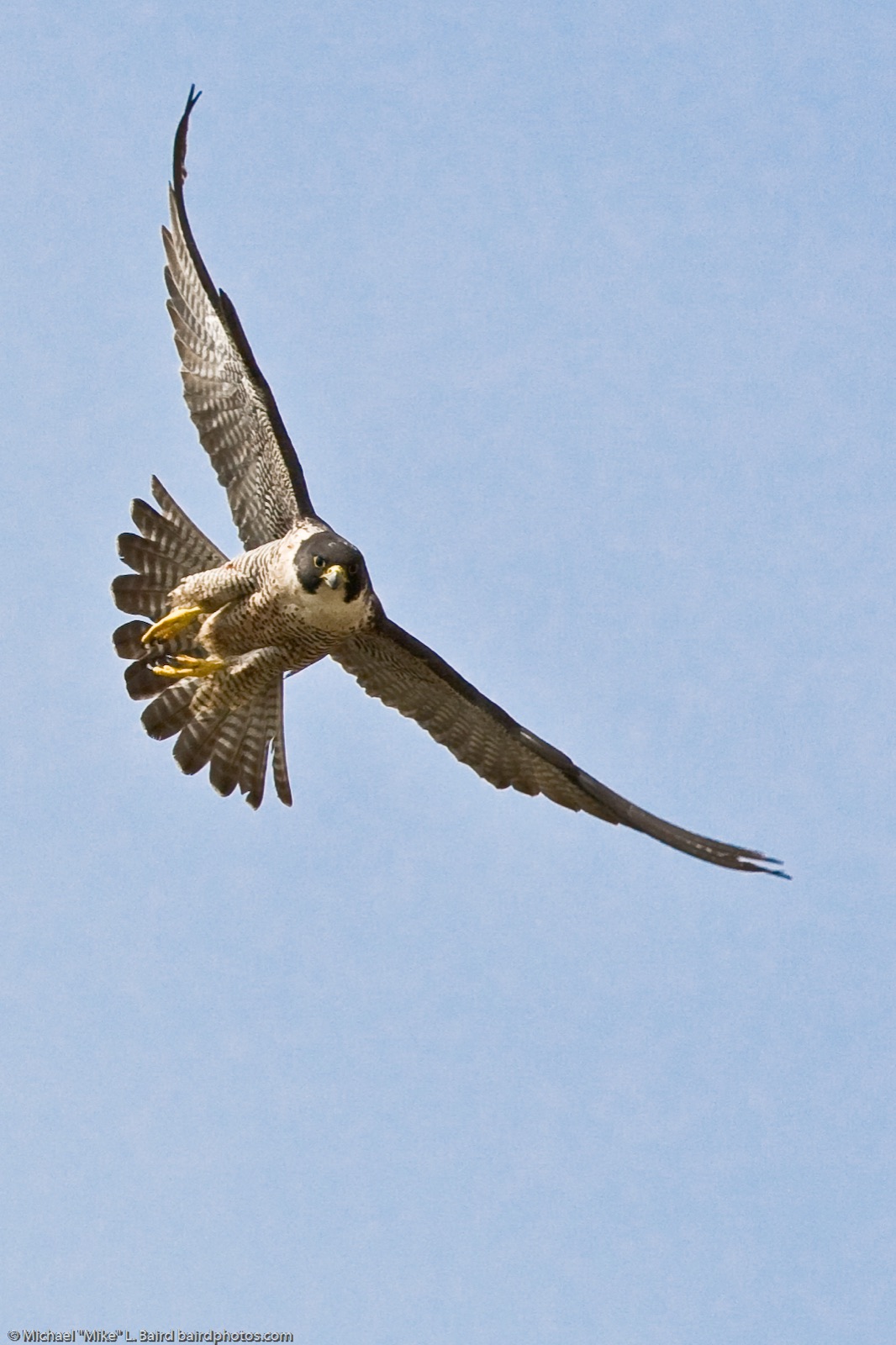
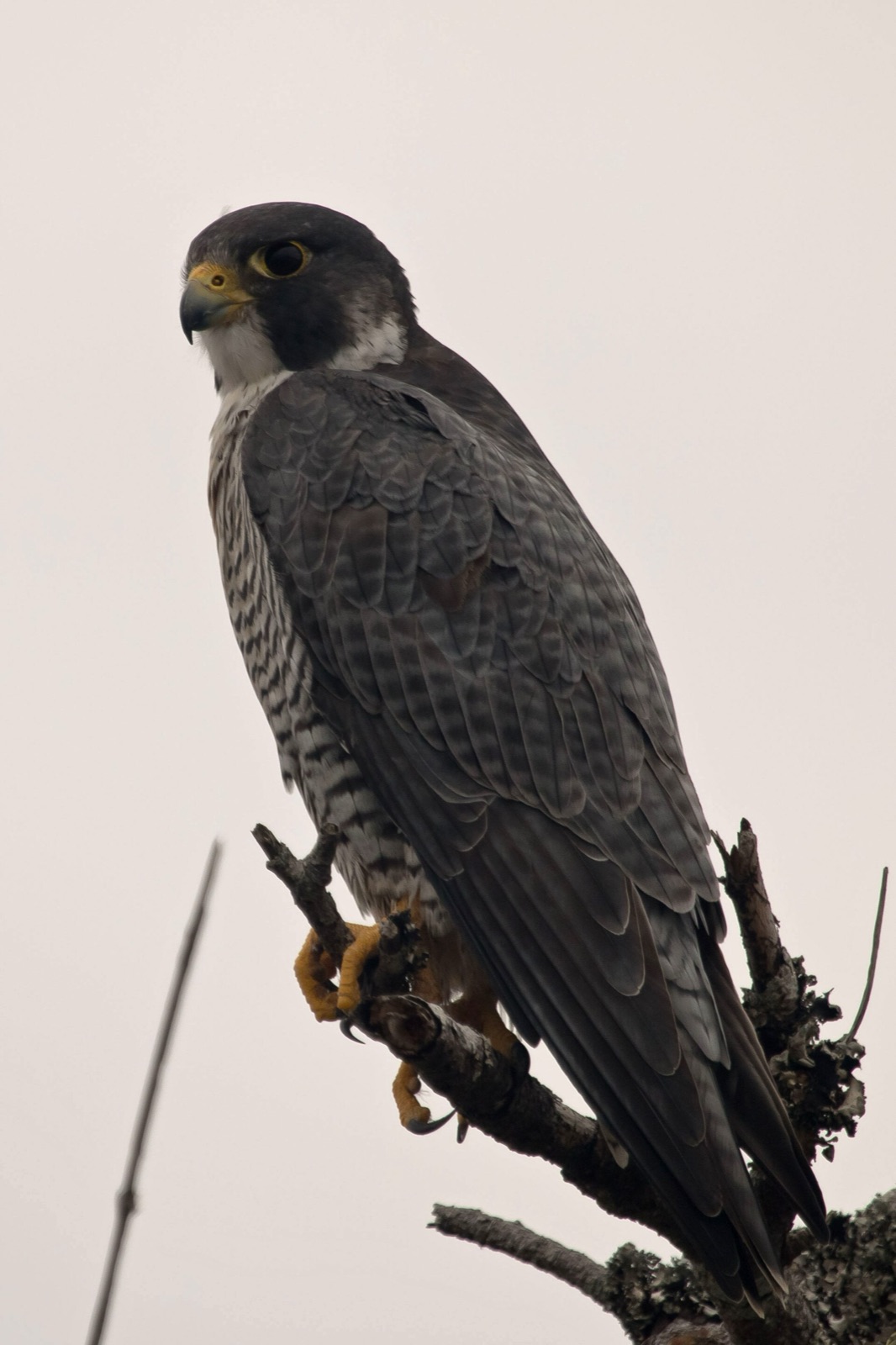
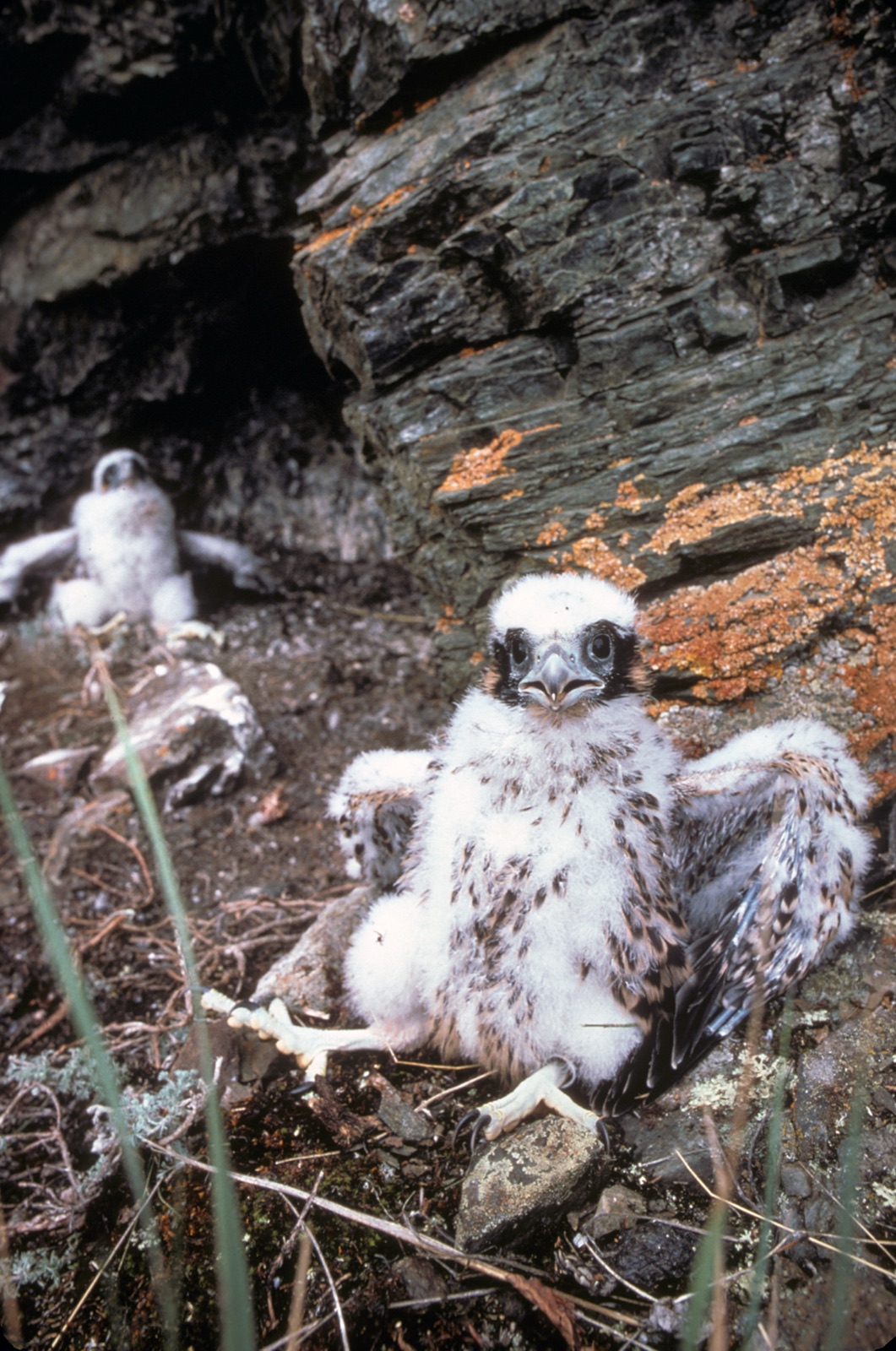
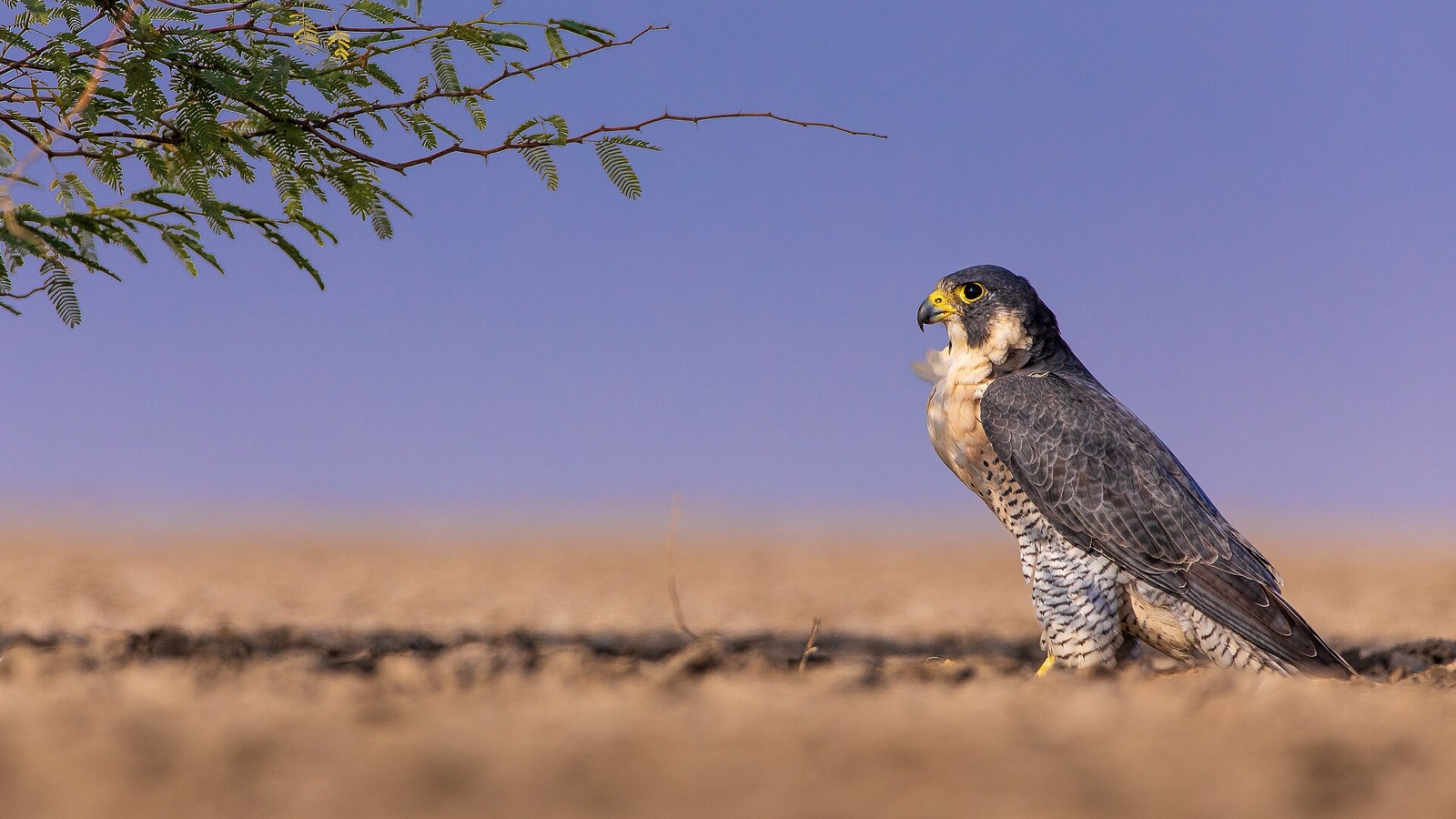
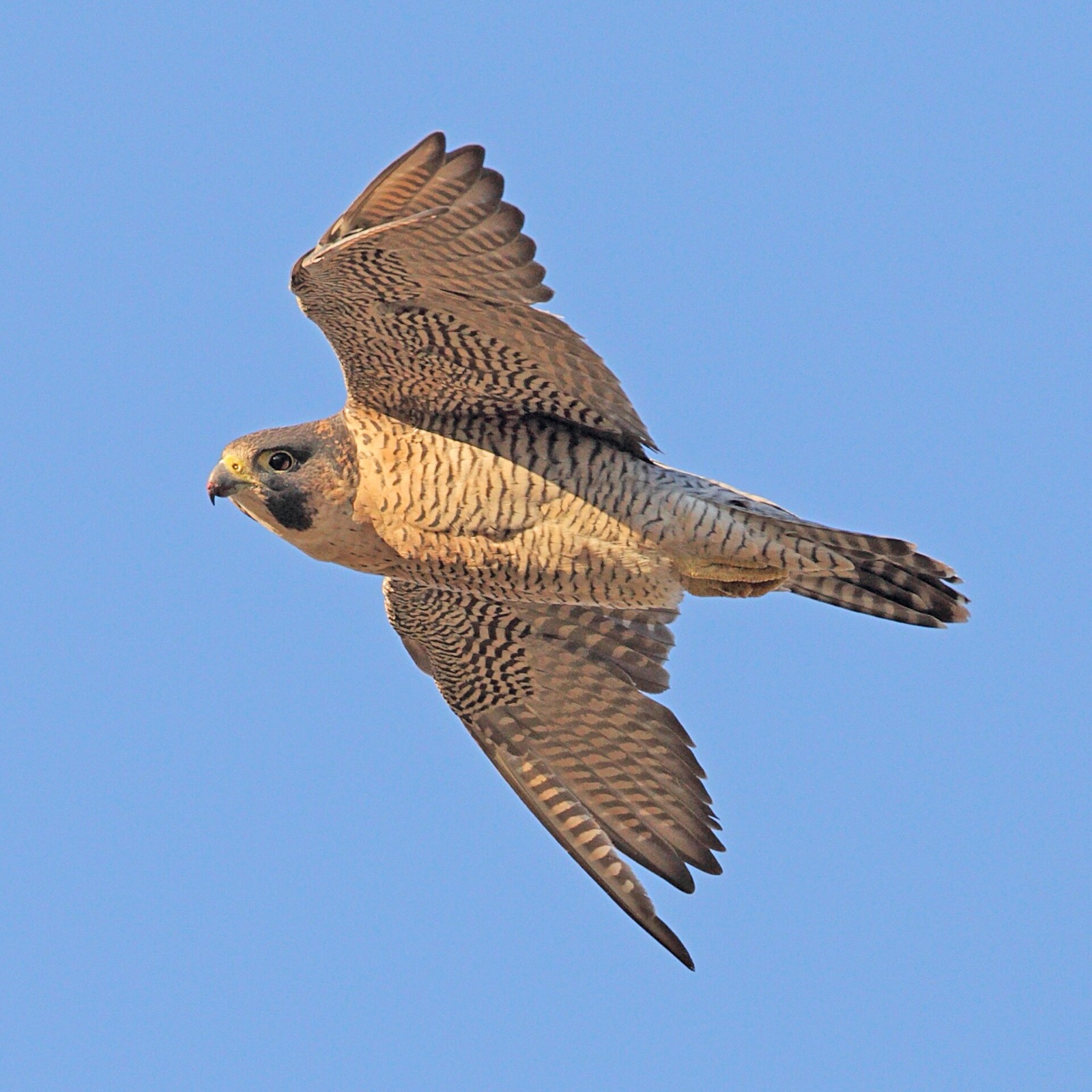
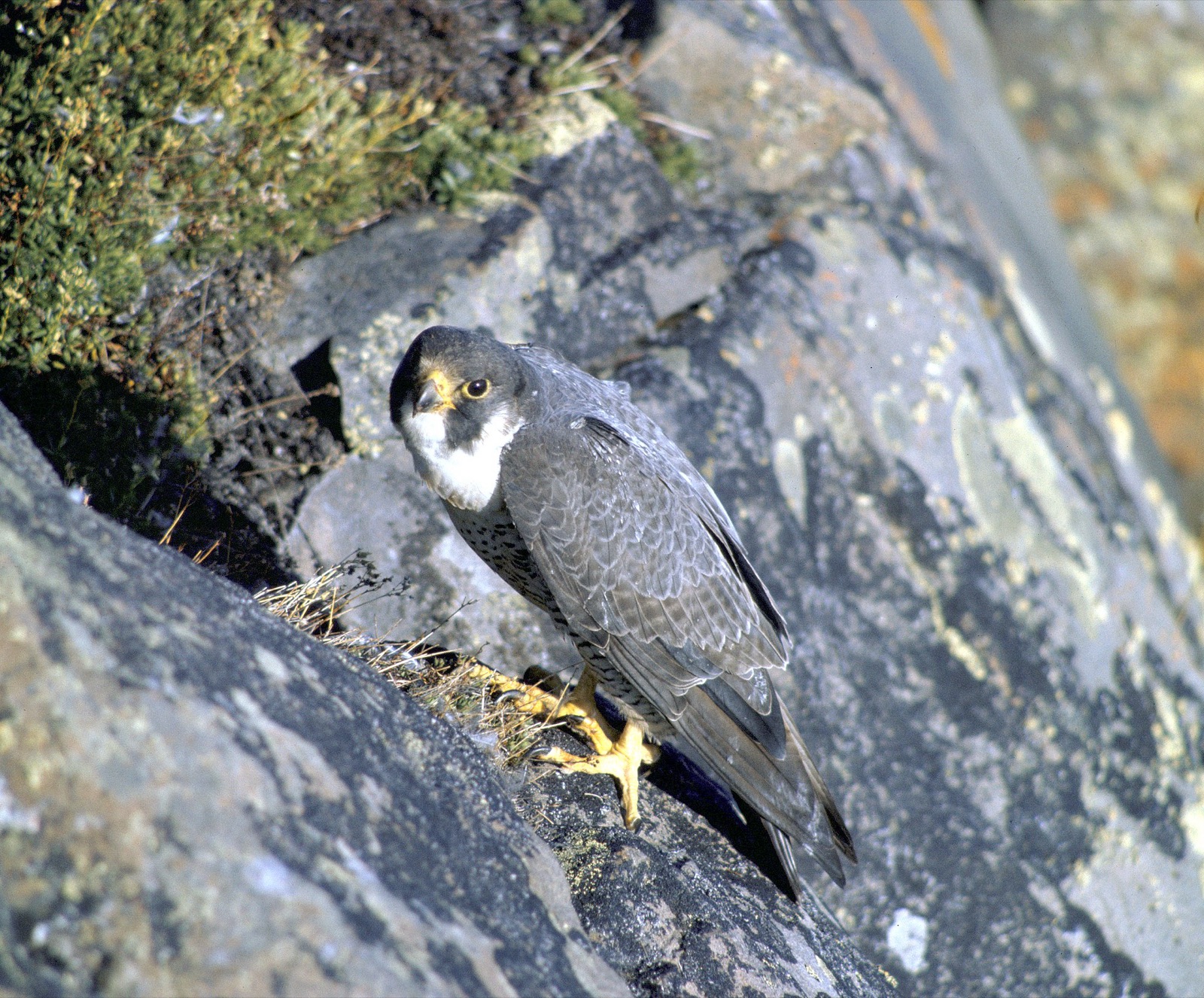
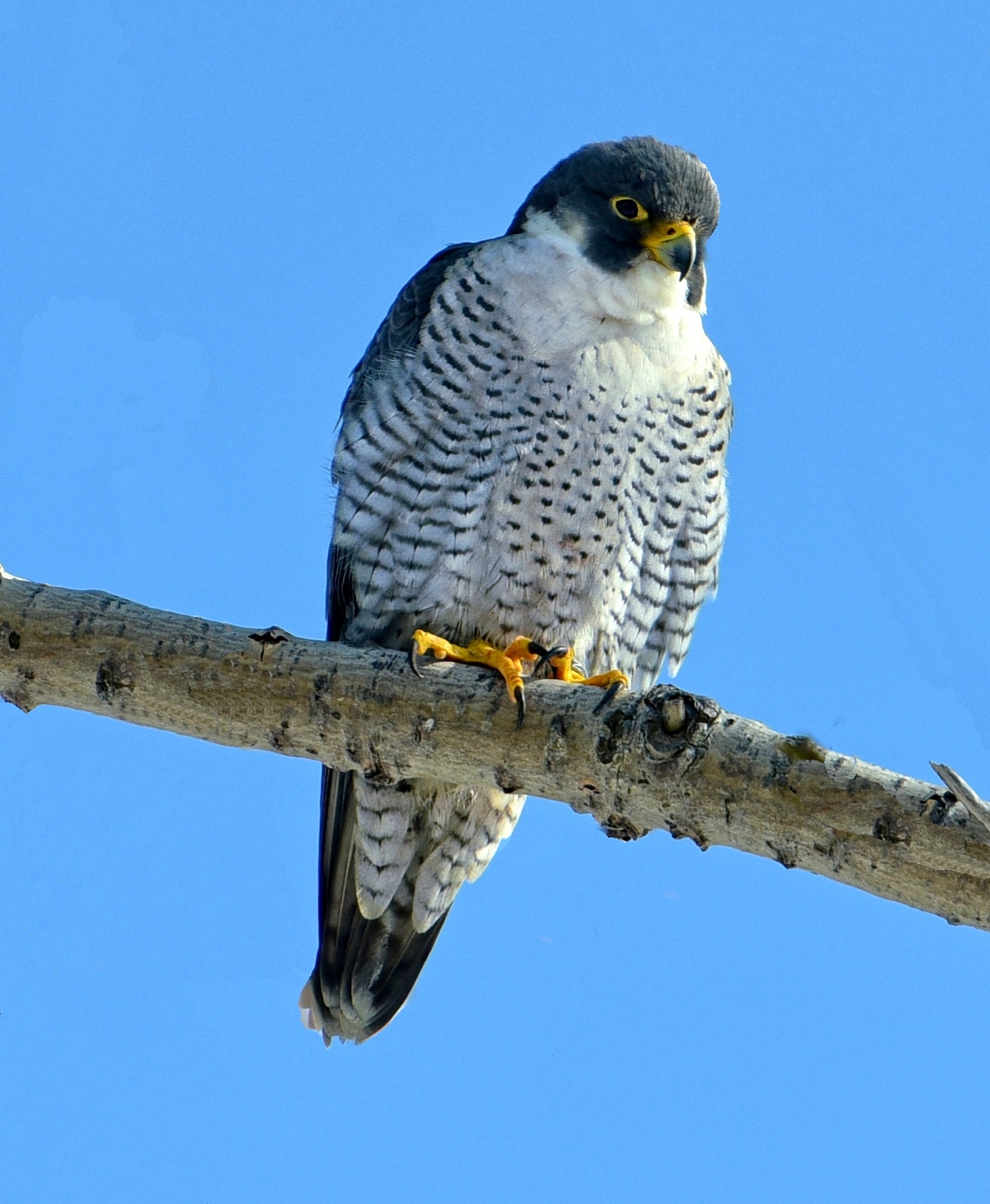
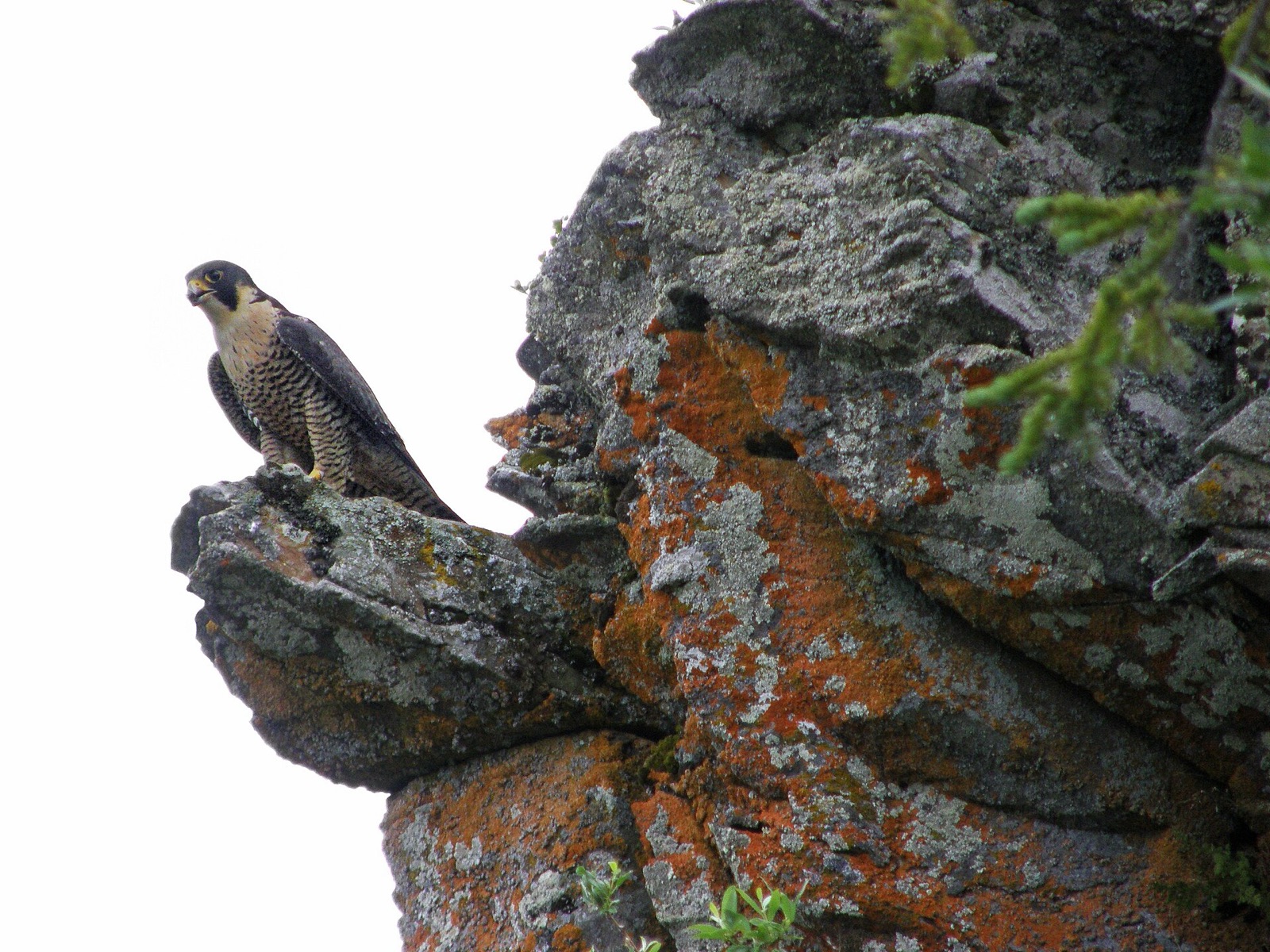
These photographs document peregrines in the wild — adults on the wing, downy chicks at the eyrie, and the breeding cycle that DDT once broke across the continental United States.
All photographs are public-domain or Creative Commons works sourced from Wikimedia Commons, including images by U.S. Fish & Wildlife Service, BLM Alaska, Michael "Mike" Baird, and other contributing photographers. The peregrine falcon's recovery is one of the most documented success stories in North American wildlife management.
The North American peregrine population is no longer "recovering." It is recovered, stable, and expanding. The regulations governing take for falconry were written against 1990s numbers — when a few thousand pairs was the whole continent. Modern surveys and demographic models tell a very different story.
Methodology note. Breeding-pair counts in this section refer to known/confirmed pairs from USFWS post-delisting monitoring. Continental population estimates from Partners in Flight include all three North American subspecies. Chart data points are anchored to published reports at 1975, 1999, and 2015; years between are interpolated to show direction. Most-recent verification of figures cited here: published USFWS and Partners in Flight reports through 2021.
For most North American raptor populations, including peregrine falcons, current levels of falconry take are well below the prescribed take level that would allow for stable populations. The framework allows managers to align regulations with the actual demographic capacity of the population.
Paraphrased summary of the Millsap et al. Prescribed Take Level framework as applied by the USFWS Migratory Bird Program (source 6). Verbatim quotation pending citation update.
— Paraphrased from the Prescribed Take Level framework developed by Millsap and colleagues at the USFWS Migratory Bird Program. See source 6 for the original methodology.The U.S. Fish and Wildlife Service released its draft Environmental Assessment proposing updated falconry take allocations for wild peregrines. The EA rests on the same Prescribed Take Level framework that USFWS uses for all other raptor harvest decisions — a framework developed by the agency's own raptor biologists, including Brian Millsap. The public comment period has now closed; the agency's final rulemaking is pending.
The proposal does not increase risk to the population. It brings the rule-set into line with demographic reality: peregrines have been recovered for 25+ years, monitoring data is mature, and the take framework has been successfully applied to other species for over a decade.
The peregrine's role in Silent Spring and the DDT story is one of the most successful pieces of conservation communication in American history. It has also become a ceiling. Public perception is frozen in 1972, even as the actual bird became one of the most common urban raptors in North America.
Normalizing regulations doesn't diminish the story — it completes it. A recovery is only fully written when the rules that governed the emergency are rewritten for the recovered animal.
Every other ESA delisting — bald eagle, brown pelican, grey wolf in the Rockies — eventually brought management authority back to a normal harvest or take framework. The peregrine deserves the same completion of its own success story.
The peregrine is back. The data is clear. The USFWS Environmental Assessment has been through its public comment period, and the agency's final rulemaking is now pending. Support the organizations that wrote the recovery, and watch for the final rule.
Citations link directly to the relevant entry above. Population figures use the most recent published estimates available; exact numbers vary year to year and by survey methodology. Chart data points are anchored to published reports (1975, 1999, 2015) with intermediate years interpolated to show trajectory. The Millsap pull-quote is a paraphrased summary of the PTL framework rather than a verbatim citation. For regulatory decisions, current take quotas, and the EA's final rulemaking, consult the U.S. Fish & Wildlife Service directly. Last reviewed against published sources: 2026.